
DUST PROJECT: Development of a Sustainable Process for the Treatment of Steel Mill Dust
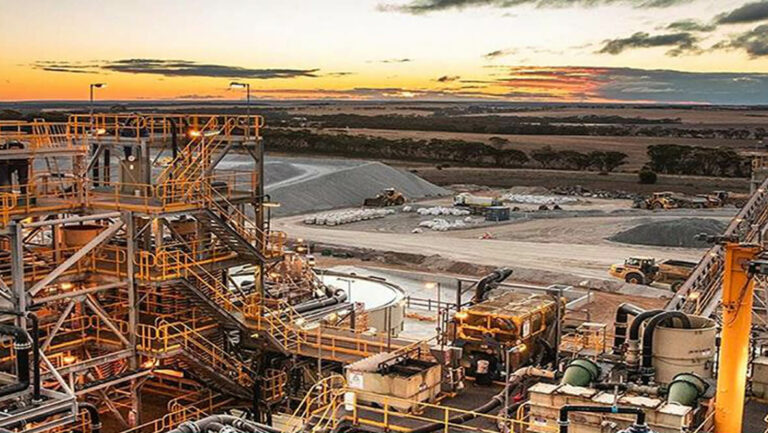
Steel dust is a waste product generated in electric arc furnaces in the steel industry during steel production. It is classified as hazardous industrial waste because it contains heavy metals (lead, chromium, cadmium, zinc, etc.), with zinc being the main component. In 2020, more than 10 million tons of steel dust were produced worldwide, representing a zinc content of over 1.7 million tons with a potential market value of more than 3 billion euros annually. Currently, only 50% of the steel mill dust produced globally is recycled and recovered. Specifically, this amount is limited to very large batches due to the high cost of current recycling processes. The remainder, consisting mainly of small-scale batches, is simply subjected to stabilization processes and stored in hazardous waste facilities.
The DUST R&D Project, awarded to Técnicas Reunidas, funded by the Center for Industrial Technological Development (CDTI), and with a duration of 2.5 years, aims to transform steel mill dust waste into new raw materials by developing a flexible and compact technology geared toward small-scale applications—where there is a clear unmet market need not addressed by available technologies—with the primary objective of recovering the zinc present in the waste. To achieve this technology, efforts will focus on developing a process that includes process intensification methodologies, such as new sonication and microwave techniques, along with hydrometallurgical techniques for the leaching of steel dust.