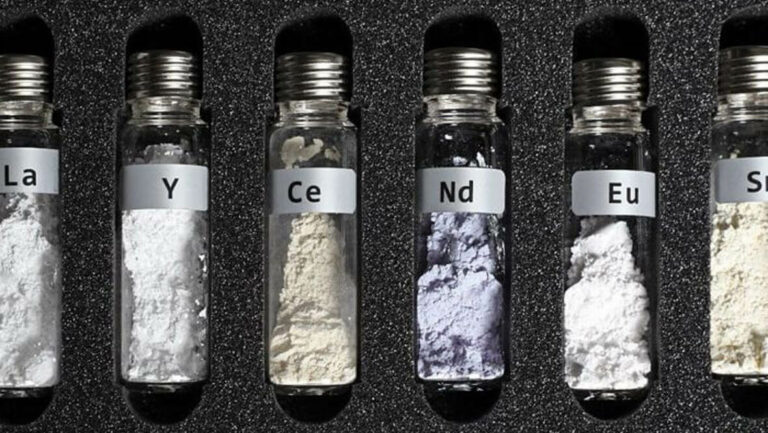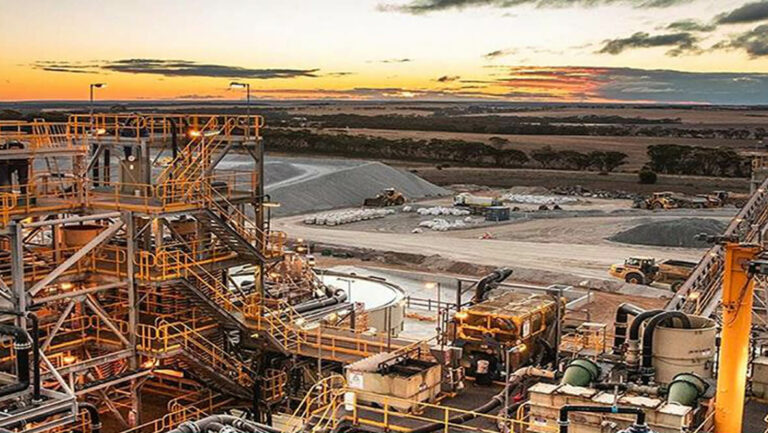
The main objective of the project is to develop sustainable technological solutions that reduce dependence on critical raw materials (CRMs) and advance toward a more resilient energy transition.
CHAINERGY was launched in response to the challenges posed by the Critical Raw Materials Act (CRMA), adopted by the Council of the European Union (EU) in March 2024.
This regulation sets ambitious targets for 2030; including extracting at least 10% of critical raw materials within the EU, processing 40% locally, and recycling a minimum of 25%, thereby reducing dependence on third countries and strengthening European strategic autonomy.
In this context, CHAINERGY aims to develop new active materials and devices for energy storage and generation, promote phosphorus recovery processes, and improve recycling technologies for end-of-life lithium-ion batteries. All of this is done with the aim of maximizing the value of available resources, reducing dependence on scarce materials, and promoting circular economy models.
CHAINERGY will investigate alternative materials—such as magnesium and manganese silicides—which are abundant, cost-effective, and have a low environmental impact, for the production of thermoelectric generators (TEGs), replacing bismuth, tellurium, or lead, which present economic, geopolitical, and environmental limitations. In this way, it will contribute to strengthening the EU’s position in a technology that is fundamental to various industrial sectors, such as the automotive and aerospace industries, within a global market projected to exceed $1.4 billion by 2030.
The project also focuses on new dry synthesis routes to develop advanced battery materials, reducing waste generation and replacing critical materials, such as cobalt or lithium, with more readily available alternatives.
As part of the CHAINERGY project, Técnicas Reunidas will drive the development of technologies for phosphorus recovery from sewage sludge and agro-industrial waste, generating high-value-added products that promote the circular economy and reduce geopolitical dependence on phosphorus, an objective considered strategic.
In addition, CHAINERGY will develop advanced technologies for safe disassembly and automatic sorting, using computer vision and computed tomography to efficiently and sustainably access the valuable materials present in batteries, which will improve recycling processes and traceability.
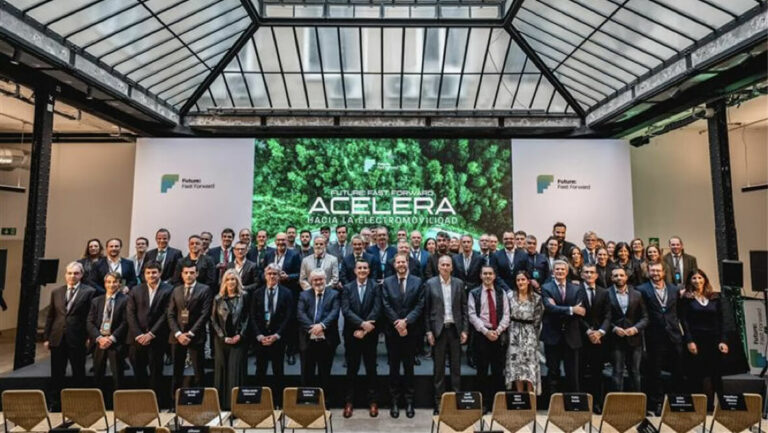
CHAINERGY is led by the company HI IBERIA and includes the participation of Técnicas Reunidas, Ferroglobe, Empresarios Agrupados, RIMSA, and AUTLAN. Several leading technology centers (LEITAT, CENIM, CIAE, and ICMM-CSIC) are also collaborating on the project, contributing complementary scientific expertise. The joint efforts of all these entities will ensure that the anticipated challenges are addressed comprehensively.
The project will last four years and has a total budget of €5,264,910, to which Técnicas Reunidas is contributing €1,222,876.
In summary, CHAINERGY represents a strategic commitment for Spain and for the EU as a whole, as it will contribute to achieving a more sustainable, competitive, and resilient energy transition, based on innovation, the circular economy, and the reduction of external dependencies.
Funded by the CDTI | Grant No.: MIG-20251016