The European PERMANET project is making progress in developing innovative solutions to improve the recovery of critical raw materials from electronic waste and industrial materials, helping to reduce Europe’s dependence on imports and strengthen its strategic autonomy.
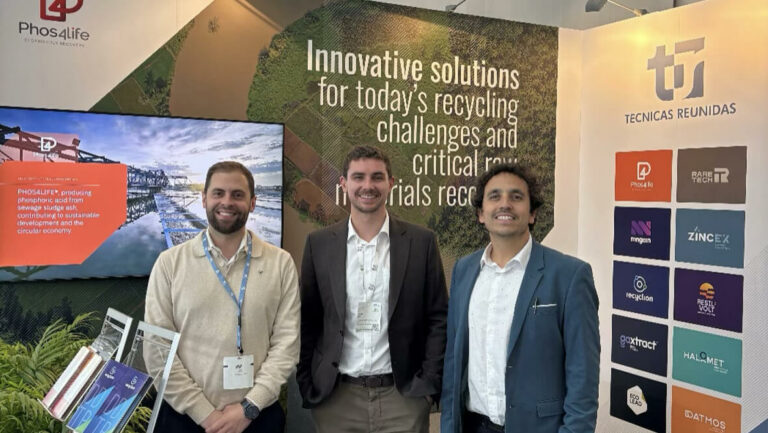
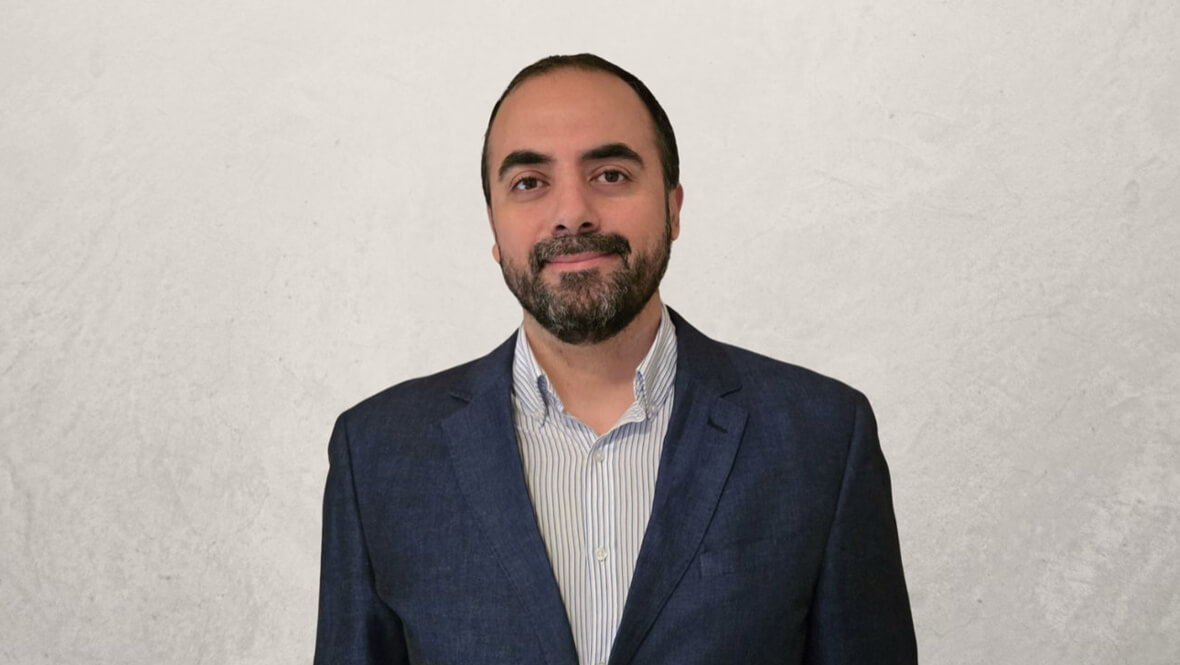
In a recent interview, Peter Fleming Rubio, PERMANET Project Coordinator representing Técnicas Reunidas, highlighted the company’s key role as project coordinator, leading its overall implementation, governance, and alignment with European Commission and industry standards. He also emphasized the importance of comprehensive management to ensure quality, risk mitigation, and the project’s long-term impact.
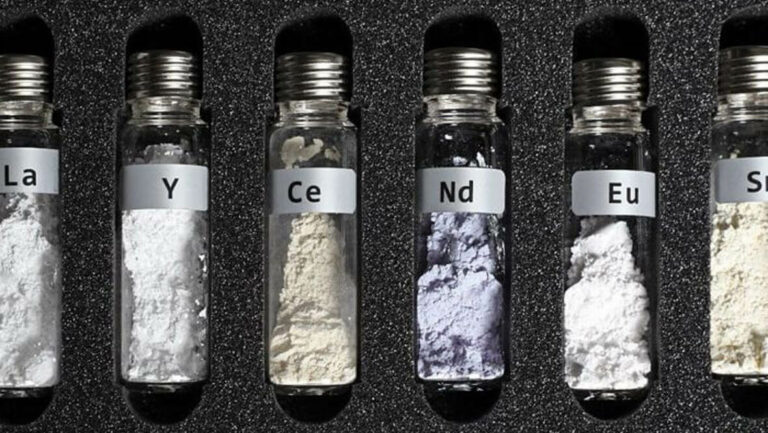
In addition to its coordination role, Técnicas Reunidas leads Work Package 3 – Hub 1, focused on the sustainable supply of rare earths. In this area, it is driving the development and scaling up of its proprietary RARETECH™ technology, aimed at producing rare earth carbonates and oxides from monazite concentrates sourced from various sources, including primary deposits and secondary materials. This process yields commercially viable products free of radioactive components, contributing to a safer and more sustainable supply chain.
PERMANET is structured around three technology hubs covering the entire value chain: from the sustainable supply of rare earths, through circular innovation in recycling, to the advanced production of magnets and their validation in industrial applications such as electromobility, energy, and industrial equipment.
The project stands out for its comprehensive approach, which combines research, technological development, and industrial scaling, with the aim of establishing a resilient and circular European value chain centered on rare earth permanent magnets.
Técnicas Reunidas’ participation and leadership reinforce its position as a key player in the development of technological solutions for the challenges associated with critical raw materials and the transition toward a more sustainable economy.