News

Learn about our news, technologies and projects

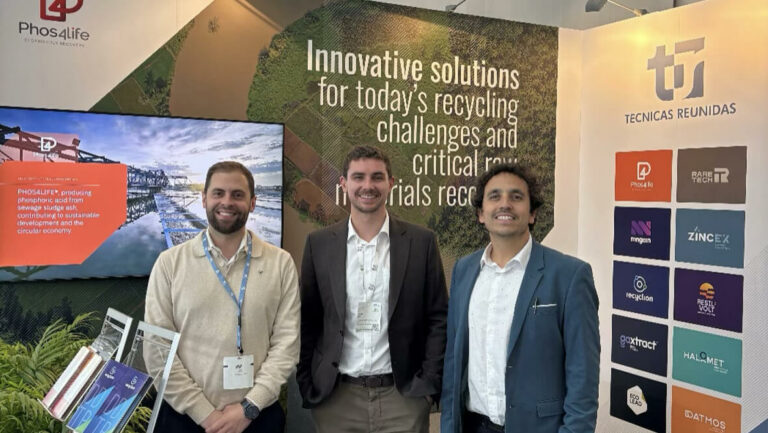
IFAT Munich 2026, recognized as the world’s leading trade fair for environmental technologies, once again brought together key international players in water management, recycling, circularity, and sustainable resource recovery. Held in Munich, the event brought together more than 3,000 exhibitors and industry professionals from over 60 countries, serving as a global platform for innovation, collaboration, and technological development in the environmental sector.

During the exhibition, Técnicas Reunidas, through its In-House Technology Development Division, had the opportunity to showcase its capabilities in the development and industrial implementation of innovative technologies focused on the recovery of metals and critical raw materials from secondary resources.

The company presented part of its portfolio dedicated to the circular economy, urban mining, and sustainable resource recovery, highlighting hydrometallurgical solutions designed to support the energy transition and improve the sustainability of industrial value chains.

IFAT Munich provided an excellent opportunity to interact with companies, institutions, and technology providers from all sectors of the environment and recycling industries. Throughout the event, the Técnicas Reunidas team exchanged ideas and discussed current challenges and opportunities related to circularity, strategic raw materials, and advanced recycling solutions.

The participation also reinforced the company’s commitment to developing technologies that contribute to resource efficiency, waste recovery, and the transition toward a more sustainable and circular industrial model.

Técnicas Reunidas would like to thank everyone who visited the booth and shared valuable conversations during the event.

See you again at IFAT 2028.

#IFAT2026 #CircularEconomy #CriticalRawMaterials #UrbanMining #EnergyTransition #Innovation #Sustainability

The European PERMANET project is making progress in developing innovative solutions to improve the recovery of critical raw materials from electronic waste and industrial materials, helping to reduce Europe’s dependence on imports and strengthen its strategic autonomy.

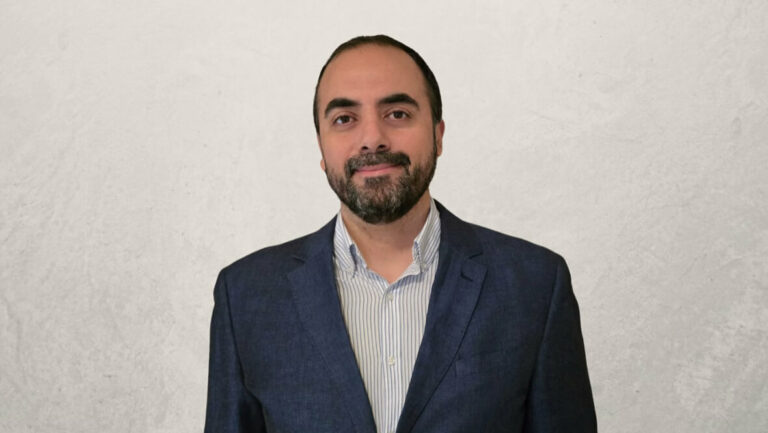
In a recent interview, Peter Fleming Rubio, PERMANET Project Coordinator representing Técnicas Reunidas, highlighted the company’s key role as project coordinator, leading its overall implementation, governance, and alignment with European Commission and industry standards. He also emphasized the importance of comprehensive management to ensure quality, risk mitigation, and the project’s long-term impact.

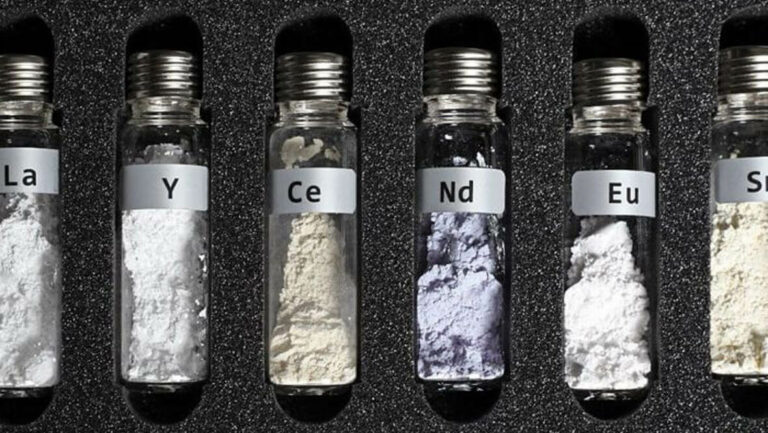
In addition to its coordination role, Técnicas Reunidas leads Work Package 3 – Hub 1, focused on the sustainable supply of rare earths. In this area, it is driving the development and scaling up of its proprietary RARETECH™ technology, aimed at producing rare earth carbonates and oxides from monazite concentrates sourced from various sources, including primary deposits and secondary materials. This process yields commercially viable products free of radioactive components, contributing to a safer and more sustainable supply chain.

PERMANET is structured around three technology hubs covering the entire value chain: from the sustainable supply of rare earths, through circular innovation in recycling, to the advanced production of magnets and their validation in industrial applications such as electromobility, energy, and industrial equipment.

The project stands out for its comprehensive approach, which combines research, technological development, and industrial scaling, with the aim of establishing a resilient and circular European value chain centered on rare earth permanent magnets.

Técnicas Reunidas’ participation and leadership reinforce its position as a key player in the development of technological solutions for the challenges associated with critical raw materials and the transition toward a more sustainable economy.

  • The project, known as PERMANET, is of great strategic importance for addressing the European Union’s (EU) weakness in the manufacturing of products that are essential for digitalization and the energy transition.
  • Its goal is to increase the EU’s annual production capacity for permanent magnets twentyfold by 2050.
  • It will be carried out by 34 partners, including companies, research centers, clusters, and universities.
  • The manufacture of permanent magnets requires access to technologies for the production of rare earth elements, an area in which Técnicas Reunidas has extensive experience and technological solutions that it already supplies to the market.


Técnicas Reunidas has been designated as the lead company for the PERMANET Project (PERmanent MAgnet Network for the European Transition), promoted by the European Commission (EC) under its Horizon Program, whose objective is to create the first complete European value chain for the production of permanent magnets.

This chain will include the extraction, processing, and refining of rare earths, which form the basis for the production of permanent magnets; the manufacture of the magnets themselves; and their subsequent recycling.

In addition to leading the project, Técnicas Reunidas will undertake, at its Technology Center, the development of technology that will enable the production of rare earths from minerals and secondary sources for subsequent use in the manufacture of permanent magnets.

The company has proven experience in this field, as it already supplies its own technology, RARETECH, to the market, which enables the production of rare earth concentrates in the form of carbonates from minerals.

Strategic Value and Geopolitical Risk

This is a project of high strategic value, as permanent magnets are a fundamental material for the manufacture of more than 200 product groups that are essential for digital development and the energy transition, particularly for the manufacture of motors for electric vehicles, wind generators, and transformers.

Furthermore, they are subject to high geopolitical risk. Currently, EU production of permanent magnets is extremely low, barely reaching 1,000 tons per year, and is not expected to cover more than 20% of European needs by 2030. Increasing this capacity would require a sharp rise in rare earth imports from China, the world’s leading producer, which currently supplies virtually all of the EU’s demand for these materials.

This excessive dependence on China could become even more serious in the near future, due to the growing demand for permanent magnets to drive the electrification required by the energy transition and the recent decision by Chinese authorities to restrict the export of rare earth processing technologies.

For this reason, the EC approved a Critical Raw Materials Act last year, the regulations for which were established last March, “as demand for rare earths is expected to increase exponentially in the coming years.”

A strong boost to the production of permanent magnets

The PERMANET project is part of this effort to overcome the limited production capacity and weak development of certain segments currently affecting the EU’s permanent magnet production value chain.

The project aims to increase European production of permanent magnets to 2,800 tons per year by 2037, 7,800 tons by 2040, and 21,600 tons by 2050, which would already cover nearly 50% of the EU’s needs in that year.

To this end, the project involves 34 partners (17 large companies, seven SMEs, four research centers, two universities, and four clusters from a total of eleven European countries) and will have a budget of approximately 21 million euros, with a grant of nearly 16 million. It is estimated to last 40 months.

Javier Limpo, director of the In-House Technology Development Division at Técnicas Reunidas, emphasized that “this project, which is essential for advancing European independence in the field of energy transition, will strengthen Técnicas Reunidas’ position as a technological leader in the extraction and recovery of rare earth elements.”

The two companies have entered into a strategic engineering partnership under which Técnicas Reunidas will conduct processing tests on high-concentration rare earths at the project being developed by St. George Mining in Araxá, a municipality in the state of Minas Gerais.
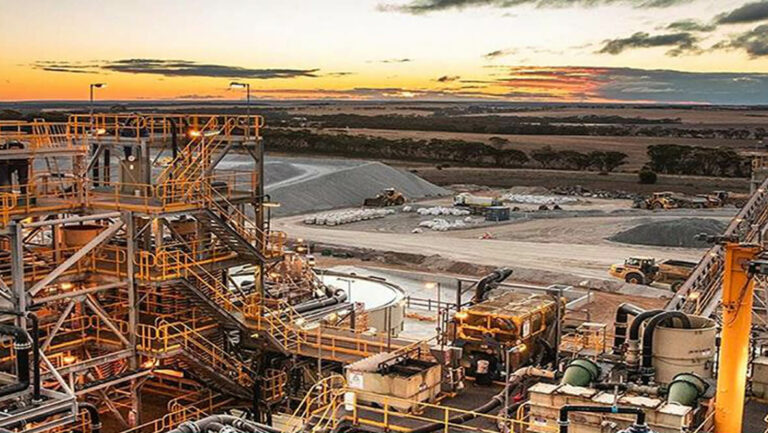
Araxá is the largest hard-rock rare earth deposit in South America and one of the largest in the world.
Técnicas Reunidas will contribute its proprietary technology, called RARETECH®, to the project, which enables the production of rare earth concentrates in the form of carbonates from ores.
At the end of last February, the Spanish company also reached an agreement with the Australian firm Osmond Resources to provide RARETECH® technology for the European Union’s first comprehensive rare earth production project, which is being developed in Jaén.
RARETECH® is part of Técnicas Reunidas’ portfolio of proprietary technologies for the recovery of critical raw materials, rare earths, and other products that the Spanish company has already supplied or submitted for bidding in the United States, Japan, Austria, Switzerland, Australia, Spain, South Africa, Brazil, and Turkey.
 

The Australian company St George Mining Limited has announced the signing of a memorandum of understanding (MoU) with Técnicas Reunidas under which it will contract the Spanish company to conduct sample processing tests at the rare earth deposit in Araxá, a town in the Brazilian state of Minas Gerais.

St George Mining is the 100% owner of this high-grade niobium and rare earths deposit, which is the largest hard-rock deposit in South America and one of the largest in the world. In fact, it is also larger than the main rare earths mine in the U.S., located in the California town of Mountain Pass.

The Australian company, which specializes in developing critical mineral recovery projects, has described the agreement as a “strategic engineering partnership to access cutting-edge European rare earth processing technology.” In particular, it has highlighted the proprietary technological solutions that Técnicas Reunidas has developed for the recovery of critical materials and, more specifically, the fact that it is the lead company in the EU-funded PERMANET project, which aims to create the first European value chain for the manufacture of permanent magnets.

Scope of Técnicas Reunidas’ work

The initial scope of the work to be carried out by Técnicas Reunidas will consist of applying RARETECH® technology for the refining of rare earth mineralization, including the production of mixed carbonate and rare earth oxides, and for the separation and fractionation of rare earth elements.

Additionally, there is a possibility that St George Mining may request additional work from Técnicas Reunidas, which would include the design of a flow diagram and an industrial plant for rare earth processing operations, among other tasks.

St George Mining, which already has its Brazil project in an advanced stage of development and has half a dozen more in Australia, has emphasized that the engagement of Técnicas Reunidas has the potential to open European markets to Araxá’s rare earths and joins the strategic alliances the Australian company has already signed with REalloys in the U.S. and with MagBras in Brazil.

John Prineas, CEO of St George Mining, stated that “we are very excited to work with Técnicas Reunidas to further evaluate the optimal processing route for Araxá’s rare earths, as their reputation and experience in this type of activity is unmatched.”

Técnicas Reunidas’ proprietary technologies for the recovery of critical materials

It is worth noting in this regard that, at the end of last February, the Spanish company also reached an agreement with the Australian firm Osmond Resources to provide RARETECH® technology for the European Union’s first comprehensive rare earth production project, which is being developed in an area of over 220 square kilometers located in the north of the province of Jaén.

RARETECH® is part of the wide range of technological solutions that Técnicas Reunidas has developed, through its In-House Technology Development Division and its Technology Center, for the recovery, processing, and refining of critical minerals and essential metals, as well as other products generated through the circular economy. These in-house technological solutions are already implemented or are being bid on in markets in the United States, Japan, Austria, Switzerland, Australia, Spain, South Africa, Brazil, and Turkey, among other countries. 

In addition, the company actively participates in the development of national and international projects related to critical raw materials, particularly within the framework of the Misiones Programs of the Center for Industrial Technological Development (CDTI) of the Ministry of Science, Innovation, and Universities, and the Horizon program of the European Union.

About Técnicas Reunidas

Técnicas Reunidas is a global engineering firm that has developed more than 2,600 projects in over 70 countries throughout its 66-year history. 

It specializes in the design and construction of large industrial plants dedicated primarily to the production of clean fuels, natural gas, and chemical products. 

The company is also at the forefront of technologies and solutions related to the energy transition, the circular economy, and the decarbonization of facilities. 

With a workforce of nearly 14,000 employees, most of whom are highly qualified engineers, Técnicas Reunidas’ headquarters in Spain is a major center of engineering excellence. 

CHAINERGY will research new materials and advanced processes for energy storage and generation, promoting the circular economy and the recovery of strategic resources.
The project is funded by the Center for Technological Development and Innovation (CDTI) and is supported by the Ministry of Science, Innovation, and Universities through the Science and Innovation Missions 2025 program.
 

The main objective of the project is to develop sustainable technological solutions that reduce dependence on critical raw materials (CRMs) and advance toward a more resilient energy transition. 

CHAINERGY was launched in response to the challenges posed by the Critical Raw Materials Act (CRMA), adopted by the Council of the European Union (EU) in March 2024. 

This regulation sets ambitious targets for 2030; including extracting at least 10% of critical raw materials within the EU, processing 40% locally, and recycling a minimum of 25%, thereby reducing dependence on third countries and strengthening European strategic autonomy.

In this context, CHAINERGY aims to develop new active materials and devices for energy storage and generation, promote phosphorus recovery processes, and improve recycling technologies for end-of-life lithium-ion batteries. All of this is done with the aim of maximizing the value of available resources, reducing dependence on scarce materials, and promoting circular economy models.

CHAINERGY will investigate alternative materials—such as magnesium and manganese silicides—which are abundant, cost-effective, and have a low environmental impact, for the production of thermoelectric generators (TEGs), replacing bismuth, tellurium, or lead, which present economic, geopolitical, and environmental limitations. In this way, it will contribute to strengthening the EU’s position in a technology that is fundamental to various industrial sectors, such as the automotive and aerospace industries, within a global market projected to exceed $1.4 billion by 2030.

The project also focuses on new dry synthesis routes to develop advanced battery materials, reducing waste generation and replacing critical materials, such as cobalt or lithium, with more readily available alternatives.

As part of the CHAINERGY project, Técnicas Reunidas will drive the development of technologies for phosphorus recovery from sewage sludge and agro-industrial waste, generating high-value-added products that promote the circular economy and reduce geopolitical dependence on phosphorus, an objective considered strategic.

In addition, CHAINERGY will develop advanced technologies for safe disassembly and automatic sorting, using computer vision and computed tomography to efficiently and sustainably access the valuable materials present in batteries, which will improve recycling processes and traceability.

CHAINERGY is led by the company HI IBERIA and includes the participation of Técnicas Reunidas, Ferroglobe, Empresarios Agrupados, RIMSA, and AUTLAN. Several leading technology centers (LEITAT, CENIM, CIAE, and ICMM-CSIC) are also collaborating on the project, contributing complementary scientific expertise. The joint efforts of all these entities will ensure that the anticipated challenges are addressed comprehensively.

The project will last four years and has a total budget of €5,264,910, to which Técnicas Reunidas is contributing €1,222,876. 

In summary, CHAINERGY represents a strategic commitment for Spain and for the EU as a whole, as it will contribute to achieving a more sustainable, competitive, and resilient energy transition, based on innovation, the circular economy, and the reduction of external dependencies.

Funded by the CDTI | Grant No.: MIG-20251016

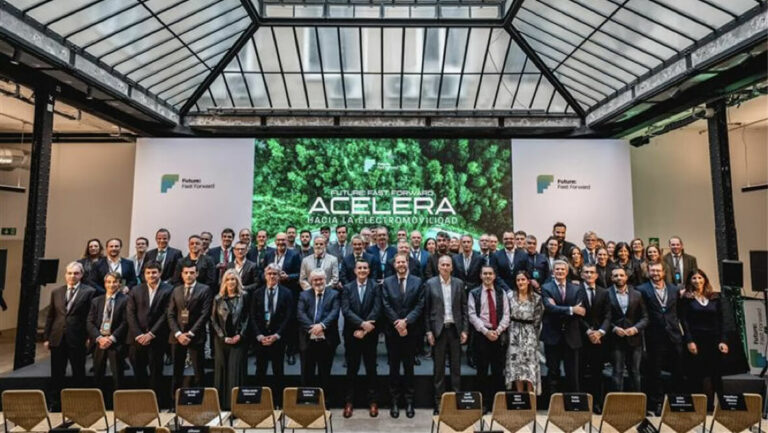
The Future: Fast Forward project has reached a key milestone in its development, with 60% of the 86 projects launched in 2022 now completed, solidifying the progress of the industry’s electrification as a tangible reality in Spain.

This initiative, considered the largest business consortium in the history of the Spanish automotive industry, is driving an unprecedented transformation aimed at making Spain a leading European hub for electromobility. Led by SEAT S.A. and CUPRA, the project brings together more than 50 companies with extensive experience across the entire mobility value chain, forming a multisectoral ecosystem geared toward an electric, sustainable, and competitive future.

With an investment of nearly 10 billion euros, Future: Fast Forward is having a significant impact on the industrial fabric, with an export capacity exceeding 20 billion euros, the creation of 145,000 direct jobs and more than 100,000 indirect jobs, as well as significant advances in training, energy efficiency, and emissions reduction.

Within this framework, Técnicas Reunidas participates in the cross-cutting circular economy sector by developing technologies for the recovery of critical raw materials and high-value metals from batteries, supermagnets in electric motors, and electronic components in electric vehicles. This contribution enables progress toward more sustainable production models, facilitating the recovery of strategic materials and closing the loop within the automotive value chain.

The progress achieved to date reinforces Spain’s position not only as a production hub but also as an environment capable of designing, developing, and scaling globally competitive industrial solutions in the field of electric mobility.

Video: https://youtu.be/ZxM_amDxpFU?si=ZcQP9GwaYZ2qmyyt

The project stems from the need to explore new methods and processes for the processing, recovery, and recycling of key metals from mixed industrial waste generated by the metallurgical industry, which is currently discarded.
SINCER is funded by the Center for Technological Development and Innovation (CDTI) and supported by the Ministry of Science, Innovation, and Universities through the Science and Innovation Missions 2025 program. 
 

Last January, activities began on the SINCER project (Industrial Symbiosis for Circularity and the Economy of Critical Raw Materials), whose purpose is to investigate the recovery of critical metals present in industrial waste from various sources generated by the metallurgical industry.

Its main objective is to promote effective industrial symbiosis through research into sustainable technologies aimed at the recovery and valorization of essential metals, such as manganese (Mn), silicon (Si), magnesium (Mg), nickel (Ni), or chromium (Cr), and key metals, such as zinc (Zn) or iron (Fe), present in such waste.

In particular, the project aims to close material cycles and facilitate their reincorporation into both the original processes and new strategic applications; for example, in batteries, magnets, and alloys. 

The project is being carried out by a consortium led by the company FERROGLOBE, which coordinates the work of five other companies: Técnicas Reunidas, SIDENOR, AUTLAN, Magnesitas Navarras, and Semantic Systems. Nine research organizations are also participating: GAIKER, CTC, CETIM, Idonial, Tecnalia, Leitat, the University of Barcelona, the University of Navarra, and Lurrederra. 

SINCER will generate viable processes that will enable the companies in the consortium to recover and purify elements contained in byproducts that currently have no commercial outlet, converting them into reusable raw materials and thereby reducing their external dependence on raw materials in their production processes.  

Specifically, the plan is to recover up to nine waste streams from the operations of four industrial partners in the consortium (FERROGLOBE, SIDENOR, AUTLAN, and Magnesitas Navarras). For its part, Semantic Systems, a technology company specializing in industrial Artificial Intelligence (AI) and blockchain solutions, is responsible for designing an interoperable digital ecosystem that enables full traceability of the value chain.

To achieve its objectives, SINCER will combine hydrometallurgical and pyrometallurgical processes, along with advanced conditioning and separation technologies, in order to maximize resource recovery and improve the circularity of strategic raw materials. These activities will be led by Técnicas Reunidas, which has extensive experience in these processes and technologies. 

The project will last four years and has a total budget of €7,333,603, to which Técnicas Reunidas is contributing an investment of €2,039,289. 

Ultimately, SINCER will help consolidate a robust circular economy centered on critical raw materials, helping to reduce external dependence and generating high-value scientific and technological knowledge for industry.

Funded by the CDTI | Grant No.: MIG-20251225

The project addresses a key technological challenge for the energy transition: recovering and processing strategic materials from end-of-life solar panels to reintroduce them into the manufacturing of new photovoltaic cells. 
Técnicas Reunidas leads ReSil2Volt as part of the RENOCICLA Program, funded by the Institute for Energy Diversification and Saving (IDEA) and the Ministry for Ecological Transition and the Demographic Challenge (MITECO).
 

The project focuses specifically on the recovery of silicon dust (“grey mass”), a complex fraction generated after the primary treatment of solar panels that contains critical materials such as silicon, silver, aluminum, tin, copper, and lead.

Its recovery poses a significant technological challenge, as its composition is heterogeneous and currently constitutes one of the main bottlenecks to achieving a true circular economy in the photovoltaic sector. 

ReSil2Volt proposes a comprehensive solution to recover these strategic materials and return them to the value chain in the form of photovoltaic-grade silicon and silver, suitable for use in wafers and conductive pastes. 

The core of the project is the technology known as ReSil2Volt, a modular hydrometallurgical process free of hazardous waste, designed to operate with high efficiency and adapt to variations in the composition of the raw material. 

This technology enables the recovery of metallurgical silicon (MGSi) and silver chloride (AgCl) with recovery efficiencies exceeding 95%. In addition, the process also recovers other valuable byproducts, such as AlCl₃ (aluminum trichloride) and a metal cement. 

In order to reintroduce the recovered raw materials into the photovoltaic sector, the project will investigate advanced metallurgical purification routes—such as slag refining—to convert the recovered metallurgical silicon into solar-grade silicon (SoGSi), removing critical impurities (B, P, Fe, Al, Ti) and achieving purities in the order of 6N (99.9999%). 

In parallel, the AgCl obtained will undergo controlled reduction processes to generate 4N-purity (99.99%) metallic silver, suitable for producing photovoltaic conductive paste. 

Técnicas Reunidas, the applicant for the ReSil2Volt project, leads the design, research, and validation of all key processes, from continuous hydrometallurgical treatment to metallurgical purification and the production of photovoltaic-grade materials. With its pilot infrastructure, expertise in hydrometallurgy, and track record in developing proprietary technologies such as ZINCEX®, RARETECH®, and PHOS4LIFE®, the company is thus consolidating its role as a leader in the circular economy as applied to critical raw materials. 

The project, which will last 30 months and have a budget of €1,830,394, will be carried out entirely at the Técnicas Reunidas Technology Center, where the technology will be validated and fundamental knowledge generated for its future scaling and integration into industrial photovoltaic recycling ecosystems.

In short, the ReSil2Volt project will enable:

Reintroduce recycled silicon and silver as high-quality secondary raw materials.
Reduce dependence on virgin raw materials and the environmental footprint associated with their extraction.
Develop a modular, scalable solution free of hazardous waste.
Pave the way toward a circular industrial model for the photovoltaic sector.

 The project is fully aligned with the objectives of the Strategic Project for Economic Recovery and Transformation (PERTE) on the Circular Economy, the Recovery, Transformation, and Resilience Plan, and the requirements of the European Critical Raw Materials Regulation.

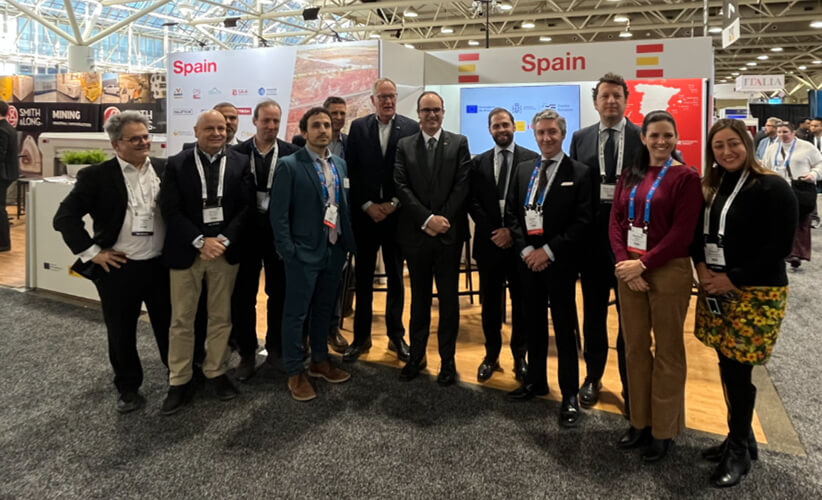
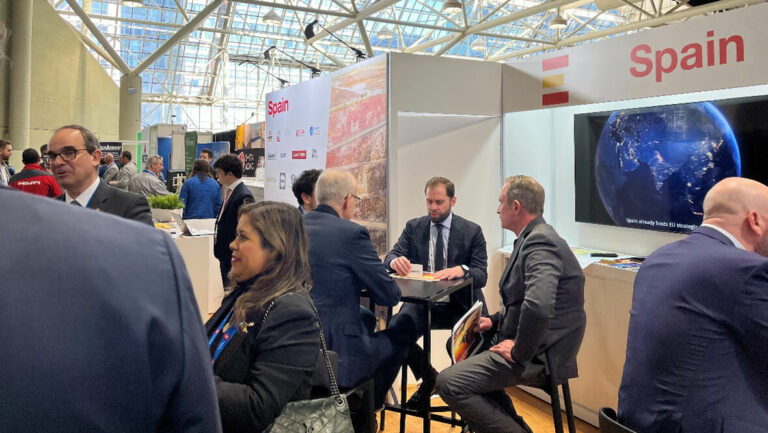
Técnicas Reunidas participated in the 2026 edition of the Prospectors & Developers Association of Canada Convention (PDAC), held in Toronto, Canada, which is considered the leading global gathering for the mining and natural resources industry. The event brings together more than 40,000 professionals each year, including mining companies, investors, technology developers, and public institutions, establishing itself as a key platform for the development of projects and strategic alliances in the sector.

The company was part of the delegation organized by the Spanish Chamber of Commerce in Canada, marking its first participation with a joint booth that brought together more than ten leading Spanish companies in the mining and technology sectors. This initiative helped highlight Spain’s role as a provider of advanced solutions in the field of critical minerals.

During the event, Técnicas Reunidas presented the capabilities of its Proprietary Technology Development Division, highlighting its expertise in developing hydrometallurgical solutions for the recovery, processing, and refining of critical minerals, as well as their implementation at an industrial scale.

The company’s participation in PDAC aimed to highlight its position as a technology developer and strengthen its network of contacts with key international players in the sector, in a context marked by the growing strategic importance of critical minerals for the energy transition and security of supply.

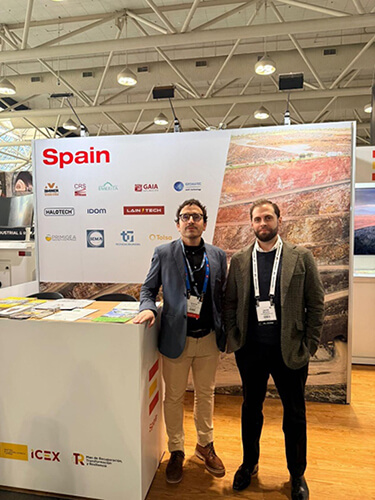
Representing the company were Javier Manzano, Commercial and New Business Director of the Proprietary Technology Development Division, and Ignacio Herráez, Business Development Engineer in the same division.

The company’s presence at this forum reinforces Técnicas Reunidas’ commitment to developing advanced technological solutions to address the global challenges associated with critical minerals.


The European PERMANET project is making progress in developing innovative solutions to improve the recovery of critical raw materials from electronic waste and industrial materials, helping to reduce Europe’s dependence on imports and strengthen its strategic autonomy.

In a recent interview, Peter Fleming Rubio, PERMANET Project Coordinator representing Técnicas Reunidas, highlighted the company’s key role as project coordinator, leading its overall implementation, governance, and alignment with European Commission and industry standards. He also emphasized the importance of comprehensive management to ensure quality, risk mitigation, and the project’s long-term impact.

In addition to its coordination role, Técnicas Reunidas leads Work Package 3 – Hub 1, focused on the sustainable supply of rare earths. In this area, it is driving the development and scaling up of its proprietary RARETECH™ technology, aimed at producing rare earth carbonates and oxides from monazite concentrates sourced from various sources, including primary deposits and secondary materials. This process yields commercially viable products free of radioactive components, contributing to a safer and more sustainable supply chain.

PERMANET is structured around three technology hubs covering the entire value chain: from the sustainable supply of rare earths, through circular innovation in recycling, to the advanced production of magnets and their validation in industrial applications such as electromobility, energy, and industrial equipment.

The project stands out for its comprehensive approach, which combines research, technological development, and industrial scaling, with the aim of establishing a resilient and circular European value chain centered on rare earth permanent magnets.

Técnicas Reunidas’ participation and leadership reinforce its position as a key player in the development of technological solutions for the challenges associated with critical raw materials and the transition toward a more sustainable economy.

The Future: Fast Forward consortium receives the final resolution from the Ministry of Industry for its PERTE VEC project.

  • 52 consortium members will develop 86 projects that will contribute to the transformation of the automotive sector, driving its electrification towards sustainable mobility.
  • 90% of the granted aid is expected to be transferred to the companies within the Future: Fast Forward consortium in the coming weeks.

Madrid, January 26, 2023. The Future: Fast Forward consortium has received the final approval decision from the Ministry of Industry, Trade and Tourism regarding its proposal for the development of the Strategic Projects for Economic Recovery and Transformation for the Electric Vehicle (PERTE VEC).

The decision comes after the Ministry reviewed all the documentation submitted by the consortium on January 13 for the implementation of the project. The members of Future: Fast Forward correctly provided the required guarantees.

This concludes the administrative procedures required to receive the funds from the European Union Recovery, Transformation and Resilience Plan granted to the members of Future: Fast Forward, amounting to €357 million.


A historic consortium.

Following the grants awarded, Future: Fast Forward will develop 86 projects with 52 consortium members across different autonomous communities: Andalusia, Aragon, Castile and León, Catalonia, the Community of Madrid, the Valencian Community, Galicia, Navarre and the Basque Country.

The members of Future: Fast Forward will contribute to the PERTE VEC through the implementation of projects divided into nine thematic areas and expect to mobilize an investment of €10 billion: €7 billion from the Volkswagen Group, SEAT S.A. and PowerHoldco, and €3 billion from the remaining partners. On the one hand, the mandatory areas—those considered fundamental to achieving the objectives of the PERTE VEC—will address projects related to (i) original equipment manufacturing and assembly, (ii) battery manufacturing and (iii) manufacturing of other components. The cross-cutting areas, which are also essential to achieving the goals of the PERTE VEC but whose application extends beyond a specific territory, include (iv) training, (v) digitalization and (vi) circular economy. Finally, the optional areas complement the development of the PERTE VEC and address (vii and viii) VEC component manufacturing and connectivity, and (ix) charging system manufacturing.

The consortium presentation event will take place on February 2, where full details of the different projects will be shared.

Future: Fast Forward is the largest business alliance in the history of the Spanish automotive industry. Its geographical diversity and comprehensive understanding of the entire automotive value chain provide it with an integrated vision of the steps required to develop sustainable mobility electrification in Spain. It is an ambitious national project that can transform Spain into a leading European hub for electric mobility while generating a highly positive socioeconomic impact throughout the automotive value chain.

Marc Riera, President of Future: Fast Forward, stated: “The PERTE VEC resolution is another step forward in our plan to make the Spanish automotive industry a European benchmark in sustainable electrification. At Future: Fast Forward, we are working to transform the mobility industry and move closer to a more sustainable future.”


Members of the Future: Fast Forward consortium.

COMPANIES: Altech, Asai Industrial, AZTERLAN, Balidea, BeePlanet, Bosch, Brose, CARTO, CELSA Group, CETIM, CIDETEC, CSIC, CERLER Global Electronics, CYP, Delta Vigo, ENSO INNOVATION, Feníe Energía, FORMINSA, GCR Group, Gestamp, Glavista, Gonvarri, Sesé, Simoldes, Iberdrola, Intrustial, ILJIN, Ingedetec, Universidad Zaragoza, isEazy, ISEND, Kapture, Kautenik, Kivnon, Lazpiur, Leartiker, Libelium, Lithium Iberia, Malena Engineering, Mindcaps, Mol-Matric, Motorland Aragón, NTDD, NUTAI, Órbita Ingeniería, Pomceg Electronics, POWER Innotech, PowerCo, SEAT CODE, SEAT MÓ, SEAT S.A., Silence, Grupo SPR, Sumitomo Electric Bordnetze SE, Técnicas Reunidas, TECOI, Valeo, VEGA Chargers, Vicomtech, Volkswagen Navarra, WIP and Zylk.


Collaborators of the Future: Fast Forward consortium.

CaixaBank, Eurecat, FICOSA, ITAINNOVA and Telefónica España.


About Future: Fast Forward.

Future: Fast Forward is the largest business consortium in the history of the Spanish automotive industry. Following the final approval by the Ministry of Industry of the PERTE VEC project, 86 projects are being developed across 11 autonomous communities (Catalonia, the Community of Madrid, Navarre, the Basque Country, Cantabria, Aragon, Castile and León, Castile-La Mancha, Andalusia, Galicia and the Valencian Community) by 52 members, 59.6% of which are SMEs. The companies participating in the consortium bring experience, technology, knowledge, innovation, human talent and business capabilities that contribute value to building the ecosystem required to make Spain a leading international hub for electrified and sustainable mobility.


Técnicas Reunidas’ participation in the PERTE VEC Project.

Técnicas Reunidas participates in the RELOAD project, whose overall objective is to contribute efficiently and safely to the supply of high-value metals within the industrial value chain of Connected and Electric Vehicles (VEC), reducing dependence on imports while promoting a sustainable, circular industrial model with a lower environmental footprint. Técnicas Reunidas will research innovative technologies for recovering various metals, including lithium, cobalt, nickel, manganese and graphite from a black mass stream obtained from VEC batteries; rare earth elements contained in electric motor magnets; and copper, tin, silver, niobium and gold from a waste stream of high-value-added electronic VEC components obtained from the power control unit. The three streams will be provided by SEAT, and the recovered metals will be transformed into industrial precursors for reuse within the VEC industry.


Fast Forward

Técnicas Reunidas is participating in a research project aimed at developing new photovoltaic technologies to reduce energy costs through circular economy strategies.

  • The SUNRISE PV project focuses on optimizing energy production and costs, integrating these systems into electrical grids, and addressing the environmental impact of photovoltaic plants. 
  • The project will be carried out by a consortium led by MAGTEL, with the participation of six other Spanish companies: CEGASA, CEN SOLUTIONS, ISFOC, MONDRAGON, MUGAPE, SOLTEC, and TÉCNICAS REUNIDAS.
  • The project includes contributions from six research organizations: TECNALIA, CETIM, AICIA, IKERLAN, UNIOVI, and RWDI.
  • The project has been selected by the Missions Program of the Center for Industrial Technological Development (CDTI) for funding in the 2022 call for proposals. 


Context

Society currently requires immediate mitigation actions regarding climate change and energy dependence on fossil fuels from regions with geostrategic conflicts or human rights concerns. To address the former, the European Union established the long-term strategy for 2050, “A Low-Carbon Economy,” which aims to lead Europe to achieve net-zero greenhouse gas (GHG) emissions by 2050. 

In support of this strategy, renewable energy sources are seen as the greatest hope, and within this category, solar photovoltaic (PV) energy will play a fundamental role, as noted by major international organizations in their reports on energy outlooks and scenarios for 2050 (IRENA, SPE, IEA).

Solar PV deployed more capacity than all other power generation technologies, including fossil fuel-based generation, in 2021. However, solar energy still covers only a small portion of global electricity demand—around 4%—while more than 70% of global energy generation comes from non-renewable sources. For this reason, it is necessary to increase the adoption of this energy source immediately, and to that end, one of the key factors is—and will remain so for many years—the reduction in the cost of generating this type of energy, without losing sight of the fact that cost improvements and the deployment of renewables must be achieved while considering their manageability through storage for integration into the electrical grid, as well as the environmental and social sustainability of the technology, affecting the durability, reparability, and recyclability of PV products and systems. 

In this regard, the project titled “New Generation of Photovoltaic Technologies for Reducing Energy Costs through Circularity Strategies,” whose acronym is “SUNRISE PV,” proposes solutions and innovations that address this challenge across the various stages of the value chain.

The project will be carried out by a consortium led by MAGTEL, with the participation of six other Spanish companies: CEGASA, CEN SOLUTIONS, ISFOC, MONDRAGON, MUGAPE, SOLTEC, and TÉCNICAS REUNIDAS.

It is supported by six research organizations: TECNALIA, CETIM, AICIA, IKERLAN, UNIOVI, and RWDI.

Project

The corporate R&D project in cooperation titled “New generation of photovoltaic technologies for reducing energy costs through circularity strategies” and with the acronym “SUNRISE PV,” has been funded by the Center for Technological Development and Innovation (CDTI) and supported by the Ministry of Science and Innovation as part of the 2022 call for proposals under the Science and Innovation Missions program.

This initiative, which will run until 2025, proposes solutions and innovations across the various stages of the value chain (photovoltaic module, tracker or support structure, power converter, photovoltaic inverter, storage, plant operation and maintenance), focusing research on three key areas.

The first of these relates to new materials and manufacturing processes for photovoltaic modules and other components, aiming to achieve higher conversion efficiency and lower manufacturing costs. The second aspect concerns new operation and maintenance processes for a more durable, efficient, and reliable use of photovoltaic systems.

Finally, the research covers new processes for the recovery and reuse of critical materials and components in the solar photovoltaic value chain to increase their utility and improve the technology’s environmental impact.

These three areas of focus converge on a final objective: to optimize the production of renewable energy—from photovoltaic sources—by reducing the energy and economic costs of the technology (improving the LCOE), as well as making significant progress in the efficiency, flexibility, and management of photovoltaic plants, within a framework of environmental, economic, and social sustainability.

Within the project, Técnicas Reunidas will lead research into new processes for recycling end-of-life PV module components, specifically the recovery of valuable metals for the photovoltaic industry found in photovoltaic panels whose life cycle (both primary and secondary) has ended. 

The project, which has a total budget of €6.5 million, is scheduled for completion in 2025 and has been funded by the Recovery and Resilience Facility, under the European “Next Generation EU” funds.

Técnicas Reunidas is participating in a research project on the use of green hydrogen to decarbonize Spain's energy-intensive industries

  • The HY2DEC project will investigate new technologies for the production and use of green hydrogen to contribute to the decarbonization of Spain’s energy-intensive industries.
  • The project will be carried out by a consortium led by Tubacex, with the participation of six other Spanish companies: TORRECID S.A., TÉCNICAS REUNIDAS S.A., GHI HORNOS INDUSTRIALES S.L., GECSA CONDUCTORES Y CONEXIONES ESPECIALES S.A., ORCHESTRA SCIENTIFIC S.L., and KERIONICS S.L.
  • The project includes contributions from seven research organizations: CEIT, ICIQ, ICP (CSIC), IKERLAN, INCAR (CSIC), ITQ (CSIC), and TECNALIA
  • The project has been included in the Missions Program of the Center for Industrial Technological Development (CDTI), having received the third-highest rating in the program’s latest edition.


Context

Climate change is having a growing impact on our planet, and mitigating it is an increasingly urgent challenge. A gradual decarbonization of all sectors of the economy is necessary to achieve the European Commission’s 2050 carbon neutrality targets.

In this context, the research project led by Tubacex, titled “Research into new technologies for the production and use of green hydrogen for the decarbonization of Spain’s energy-intensive industry” (acronym: HY2DEC), was launched.

As a strategic supplier of advanced products and industrial services for energy generation and mobility, Tubacex leads, within the framework of its open and sustainable innovation strategy, the business group developing the Hy2DEC R&D project, whose main objective is to research, develop, and validate new emerging technologies for the production and use of green hydrogen and oxygen, as well as CO2 capture and its integration into processes within Spain’s energy-intensive industries, with the aim of advancing their decarbonization.

This project will be carried out by a consortium comprising seven Spanish companies.  ACERIA DE ALAVA S.A. (Tubacex Group), TORRECID S.A., TÉCNICAS REUNIDAS S.A., GHI HORNOS INDUSTRIALES S.L., GECSA CONDUCTORES Y CONEXIONES ESPECIALES S.A., ORCHESTRA SCIENTIFIC S.L., and KERIONICS S.L.

In addition, the project involves contributions from seven research organizations: CEIT, ICIQ, ICP (CSIC), IKERLAN, INCAR (CSIC), ITQ (CSIC), and TECNALIA.

The Project

The collaborative business R&D project titled “Research into new technologies for the production and use of green hydrogen for the decarbonization of Spain’s energy-intensive industry,” with the acronym “HY2DEC,” has been funded by the Center for Technological Development and Innovation (CDTI) and supported by the Ministry of Science and Innovation as part of the 2022 call for proposals under the Science and Innovation Missions program.

It is worth noting that this project, part of the Missions Program, received the third-highest rating—tied for second place—among all projects submitted in this call for proposals.

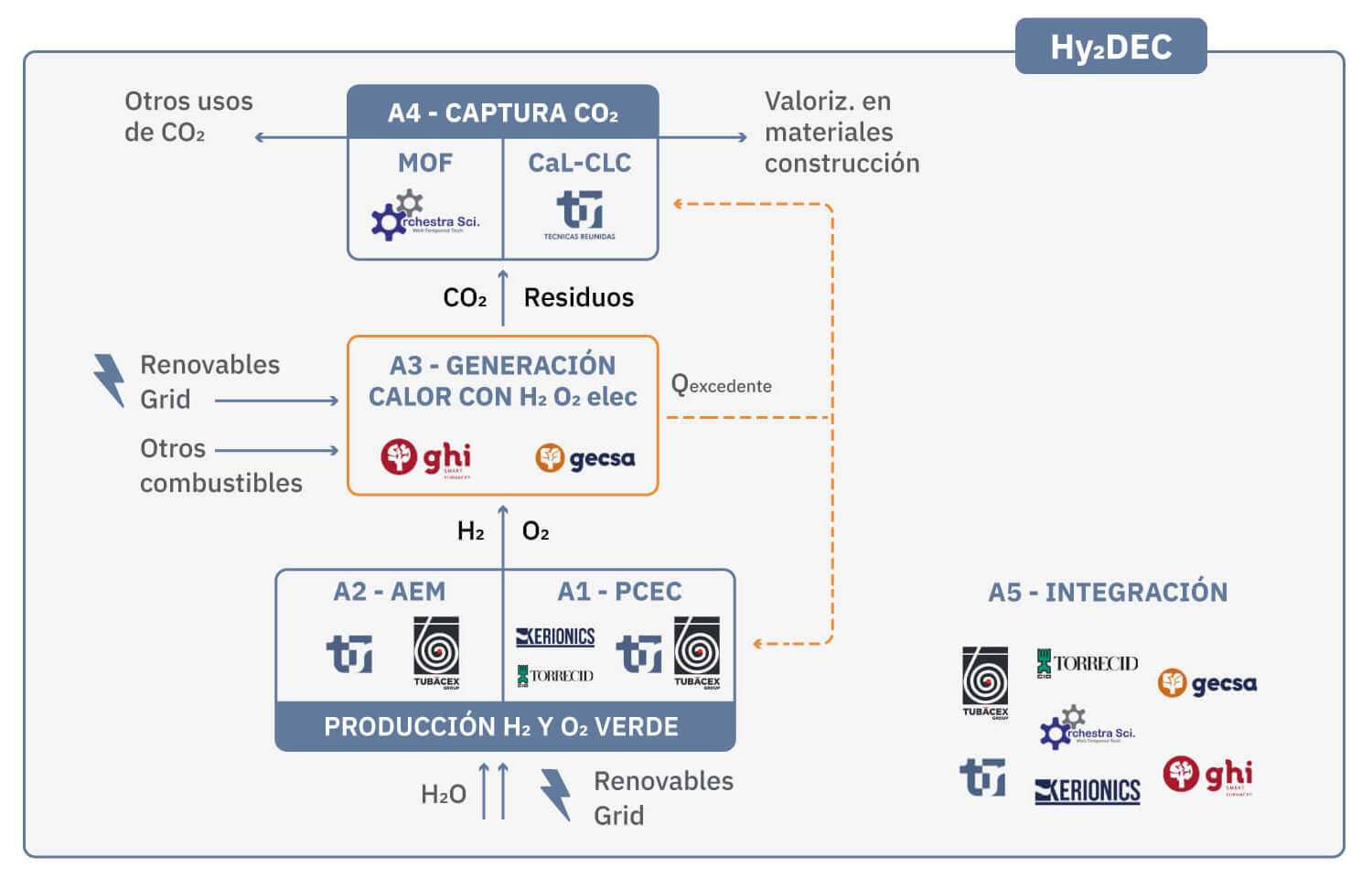
The Hy2DEC project aims to address the challenges posed by the decarbonization of energy-intensive industry through the sustainable production and use of green hydrogen and oxygen, as well as CO2 capture to achieve a positive emissions balance. To this end, and in parallel with experimental research, Hy2DEC will conduct a study of the gaps and needs in intensive industrial processes to advance their decarbonization, as well as an evaluation of potential solutions offered by the technologies under study, all within the context of two use cases for intensive processes: steelmaking and ceramics. Figure 1 shows an overview of the Hy2DEC project and the partners’ involvement in the different research areas of the technologies being studied.

The technologies to be researched in this project can be grouped into three main areas:

  • On the one hand, Hy2DEC will advance the knowledge and implementation of two emerging technologies in the field of green hydrogen production via electrochemical means.
  • The second pillar focuses on research into new heat generation designs and devices that utilize green hydrogen as a fuel.
  • The third technological area is geared toward the study and implementation of CO2 capture technologies, including the recovery of waste from the relevant industry, thereby contributing to the circular economy.
Diagram of the Hy2DEC project, showing the research axes of the technologies studied in the rectangular cells as process units, the activities in which they are undertaken (AX) and the partners participating in each of them through their corresponding logos. In addition, the mass and energy flows in and out of the process units are illustratively indicated with the help of arrows.

Specifically, the participation of each of the companies involved in this project is as follows:


Acerálava (Tubacex Group):

Will research a new solution to reduce natural gas consumption and CO2 emissions by optimizing overall energy consumption and identifying synergies for heat recovery and circularity through waste recovery.


Técnicas Reunidas:

Will research emerging technologies for the production of green hydrogen and oxygen through the development of anion exchange membrane (AEM) electrolysers and proton exchange membrane (PCEC) electrolysers. It will also conduct research on the development of CO2 capture technologies from industrial emissions, as well as their integration into energy-intensive industrial processes for decarbonization.


Torrecid:

Will conduct research on ceramic materials for ceramic membranes in electrocatalysis processes in PCEC for hydrogen generation, as well as on the use of this hydrogen in frit melting processes to reduce emissions. Additionally, it will conduct research on carbon dioxide capture processes and their integration into melting furnaces.


GHI:

Will conduct research on furnace heating systems that use renewable energy sources and on energy-efficient systems to reduce greenhouse gas emissions by at least 50%.


Gecsa:

Will research and develop a new power electronics solution to enhance current solutions for electrolysis plants and melting furnaces.


Orchestra:

Will research a new CO2 absorption technology using TAMOF-1 on an industrial scale in the form of pellets or granules that are mechanically stable and stress-resistant.


Kerionics:

Will research and develop a new generation of electrochemical cells that enable water electrolysis in a highly energy-efficient manner and under milder conditions (temperatures below 600 °C).

The project, which has a total budget of 5,872,941 EUR, is scheduled for completion in 2025, at which point the scalability and industrialization of the prototypes developed by the participating entities will be conceptualized.

Técnicas Reunidas is leading a research project to recover critical raw materials for the green transition

  • The MINETHIC project will investigate new sources for recovering unconventional critical raw materials and develop new technologies—including digital technologies—to recover them efficiently and sustainably.
  • The European Union has warned of the critical importance of having a reliable supply of raw materials.
  • The project will be carried out by a consortium led by Técnicas Reunidas and comprising five other Spanish companies (FCC Medio Ambiente, Apria Systems, IDP, IMA Magnets, and Torrecid). Scientific coordination will be handled by the Multisectoral Research Technology Center (CETIM).
  • The project has been incorporated into the Missions Program of the Center for Industrial Technological Development (CDTI) with the highest rating achieved by any initiative submitted to it since its creation in 2020.


From its José Lladó Technology Center, Técnicas Reunidas will lead the development of a research project of great strategic importance for Europe: the recovery of minerals and metals considered critical raw materials (CRMs), which are key to the technology sector and the green transition.

The European Commission recently warned that the transition toward climate neutrality could shift the current dependence on fossil fuels to a dependence on metals.

The research will be carried out by a consortium comprising five other Spanish companies (FCC Medio Ambiente, Apria Systems, IDP, IMA Magnets, and Torrecid) under the scientific coordination of the Multisectoral Research Technology Center (CETIM).

In addition, the project has three strategic partners (Áridos do Mendo, MAGNA, and EDAR Bens) and the contribution of five research organizations (CETIM, Eurecat, IMdea Materiales, Tecnalia, and the University of Cantabria).

Proof of the strategic importance attached to this initiative is that it has been incorporated into the Missions Program of the Center for Industrial Technological Development (CDTI) with the highest rating achieved by any proposal submitted to it since its creation in 2020.


Strategic Materials for the Ecological Transition

Critical raw materials—rare earths, cobalt, nickel, manganese, phosphorus, etc.—are an essential resource for the development of technology companies’ activities and the manufacture of equipment for the ecological transition. Dependence on other countries poses a high risk in terms of supply and acquisition costs, due to the growing international demand for these raw materials.

The MINETHIC project aims to recover these minerals—from various byproducts and waste—with the high levels of purity required.


The consortium companies and their contributions

The companies participating in the consortium are as follows:

  • Técnicas Reunidas, the project promoter and leader, will research innovative technologies for the pre-treatment, concentration, and purification of critical raw materials derived from mining by-products and urban and industrial waste, as well as their final application in catalysts. It will also design the recovery routes and conduct large-scale studies of them. 
  • FCC Medio Ambiente will analyze pre-treatment and concentration technologies for different fractions of urban and municipal waste that facilitate the extraction and purification of the critical raw materials present in them. 
  • Apria Systems will study the concentration and purification of metals from various mining by-products and urban and industrial waste. 
  • IDP will simulate and model the pre-treatment, concentration, and purification processes of elements to optimize these processes, reduce energy consumption, and lower associated costs. 
  • IMA Magnets will contribute its expertise in the implementation of recovered raw materials for the sustainable manufacture of magnets. 
  • Torrecid will investigate the reuse of recovered metal oxides for the synthesis of new components that are key to the green transition.

The project, which is expected to take 32 months to complete, has an initial budget of 5 million euros.


Minethic Microsite

Técnicas Reunidas is participating in a new European research project under the Horizon Europe program to develop green technology for the production of hydrogen peroxide

As part of the Horizon Europe program, the European Commission approved the launch of a new research project, POWER2HYPE, in 2023 – Electrochemical Synthesis of Hydrogen Peroxide from Water, Air, and Renewable Energy, focused on developing new green technologies for hydrogen peroxide production. The European Commission’s Horizon Europe program aims to promote research, development, and innovation projects led by companies or research centers to provide technological solutions to today’s major European challenges.

Hydrogen peroxide (H₂O₂), commonly known as hydrogen peroxide, is a chemical used in everyday life. Furthermore, ranked among the 100 most important chemicals worldwide, its industrial applications include wastewater treatment, bleaching, sanitation, chemical synthesis, and use as an aerospace fuel. Europe produces around 35% of global hydrogen peroxide (1.2 million tons), and it is estimated that this production will grow exponentially through 2030.

Currently, industrial production of hydrogen peroxide is based predominantly on the auto-oxidation process of alkylanthraquinone. This process, which is highly energy-intensive and relies primarily on fossil fuels, results in estimated greenhouse gas emissions accounting for 1.8% of the total emissions from the chemical industry in Europe. At the same time, the characteristics and costs of this process limit it to centralized production in large chemical plants, restricting supply to remote areas and also generating a high volume of toxic waste.

The goal of the POWER2HYPE project is precisely to research, develop, and demonstrate a new process for producing hydrogen peroxide, replacing the current energy-intensive route with a sustainable electrochemical one. The process relies on the use of accessible and sustainable materials for the fabrication of both the structural and catalytic components of the reactor. Furthermore, it uses only water and air as reactants, and the electrolytes employed are aqueous. The process emits no toxic waste or greenhouse gases thanks to its characteristics and the possibility of powering it with renewable energy. Compared to the established process, the new electrochemical route proposed by POWER2HYPE aims to achieve greater overall energy efficiency in hydrogen peroxide production in a sustainable, decarbonized, and emission-free manner, while also enabling both industrial and decentralized production, making it potentially profitable even in miniaturized lines.

The project, led by the German technology center Fraunhofer Institute and involving Técnicas Reunidas, also includes companies from the Solvay group (Solvay S.A., Rhodia Operations, Rhodia Laboratoire du Futur, and Solvay Specialty Polymers), SMEs such as DiaCCon, SGL Carbon, SolvGE, GLOBAZ, and IRIS Technology Solutions, as well as prestigious universities and R&D&I centers such as Wageningen University and Research Center for Food and Bio-based Innovation, the University of Erlangen-Nuremberg, and the University of Linz.

Técnicas Reunidas plays a prominent role as a developer of innovative cell and stack configurations, as well as in the final process integration, the design and implementation of a facility for the characterization of a 2.5 kW power stack and its pilot-scale evaluation for a peroxide production capacity of 20 kg/day.

With a strong focus on decarbonization and the energy transition of European industry, the project aligns with the pillars of the European Commission’s REPowerEU initiative for the rapid reduction of fossil fuel and raw material use in industry and energy. Consequently, POWER2HYPE will contribute to the fight against climate change through the reduction of emissions and the carbon footprint, driven by the United Nations Sustainable Development Goals (SDGs) and the European Union’s Green Deal.

POWER2HYPE has a budget of 10 million euros, fully funded by the European Commission, for a total duration of 4 years.

POWER2HYPE Website

Técnicas Reunidas is participating in a research project to develop solid oxide electrolysis (SOE) technology for the production of green hydrogen

  • The efiSOEC project is researching new green hydrogen production technologies to contribute to the decarbonization of the Spanish economy.
  • The project consortium, in which TÉCNICAS REUNIDAS S.A. is collaborating, is led by REPSOL and includes three other Spanish companies: TUBACEX S.A., EPOWERLABS S.L., and ZGR CORPORACIÓN S.A.
  • efiSOEC benefits from the contribution of five research organizations: INSTITUT DE RECERCA EN ENERGIA DE CATALUNYA (IREC), CENTRO NACIONAL DEL HIDRÓGENO (CNH2), DYPAM-UNIVERSITY OF CASTILLA-LA MANCHA, TECNALIA RESEARCH & INNOVATION, and CIDETEC.
  • The project was included in the Missions Program of the Center for Industrial Technological Development (CDTI), having received the second-highest rating in the 2022 edition of the program.


Context

Climate change is having a growing impact on our planet, and mitigating it is an increasingly urgent challenge. To this end, it is necessary to decouple from fossil-based raw materials and fuels to enable the gradual decarbonization of all sectors of the economy, thereby achieving the European Commission’s 2050 carbon neutrality targets.

In this context, the project led by Repsol entitled “Research and analysis for the development of proprietary SOEC technology for the generation of efficient hydrogen production systems,” with the acronym efiSOEC, was launched.  

Técnicas Reunidas, as a leading engineering firm in international energy transition projects, is participating in the business group developing the efiSOEC R&D project, whose main objective is to research, analyze, and generate knowledge about a new system for producing green hydrogen with high efficiency and durability, based on high-temperature solid oxide electrolysis cells (SOEC).

This project will be carried out by a consortium comprising five Spanish companies: REPSOL S.A., TÉCNICAS REUNIDAS S.A., TUBACEX S.A., EPOWERLABS S.L., and ZGR CORPORACIÓN S.A.

In addition, the project benefits from the contribution of seven research organizations: INSTITUT DE RECERCA EN ENERGIA DE CATALUNYA (IREC), CENTRO NACIONAL DEL HIDRÓGENO (CNH2), DYPAM-UNIVERSITY OF CASTILLA-LA MANCHA, TECNALIA RESEARCH & INNOVATION, and CIDETEC.


Project

The collaborative business R&D project titled “Research and analysis for the development of proprietary SOEC technology for the generation of efficient hydrogen production systems” and with the acronym “efiSOEC,” has been funded by the Center for Technological Development and Innovation (CDTI) and supported by the Ministry of Science and Innovation as part of the 2022 call for proposals under the Science and Innovation Missions program.

It is worth noting that this project, part of the Missions Program, received the second-highest score of all projects submitted in the program’s 2022 call for proposals.

efiSOEC aims to address the challenges posed by the decarbonization of energy-intensive industries through the development of domestic solid oxide electrolysis (SOE) technology for the efficient production of renewable hydrogen and the creation of the industrial infrastructure necessary for its commercialization. SOEC technology stands out for enabling the production of green hydrogen from renewable energy sources with efficiencies superior to those of low-temperature electrolysis, making it highly suitable for industrial application.

In this project, which began in 2022, the performance of different materials, structures, and configurations of SOEC cells is being analyzed with the aim of developing more efficient and resilient stacks, with power ratings of 3 kW, that overcome the current limitations of the technology. The most industrially viable solutions will be scaled up and integrated into a 24 kW modular system which, following an analysis and implementation of the necessary auxiliary systems, will be characterized and validated according to previously identified industrial performance indicators. In parallel, based on the results and solutions obtained, those that enable the scaling and industrialization of the system will be evaluated and identified, thereby facilitating rapid future implementation in Spanish industry.

Specifically, the contribution of each of the companies participating in this project is as follows:


Repsol:

Will coordinate the technical activities to be carried out to achieve the main objective; will develop the 3 kW and 24 kW efficient systems; will evaluate the validation of these systems; will study the challenges of scaling and industrialization based on the results obtained.


Técnicas Reunidas:

Will develop the 3 kW and 24 kW efficient systems; will design and plan the strategy for the test bench validation plan; will evaluate the validation of these systems; will study the scaling challenges based on the previous results through intermediate pre-conceptual designs of 100–250 kW.


Tubacex:

Will design, produce, characterize, and validate SOEC stacks with alternative geometries at the laboratory scale.


Epowerlabs:

Will design and develop the DC power electronics suitable for the newly developed SOEC module; will develop proprietary high-complexity software to make the EFISOEC module efficient, stable, and durable.


ZGR:

Will develop an AC/DC power electronics converter suitable for the new SOEC system; will study the integration of the new converter with renewable energy sources, as well as its bidirectional capability and adaptability.

Técnicas Reunidas is participating in a new European research project under the Horizon Europe program focused on new flexible and sustainable electronic components.

Under the Horizon Europe program, the European Commission has approved the launch of a new research project, ECOTRON—Minimizing the Environmental Footprint of Printed Electronics, focused on developing new technologies for organic and flexible printed electronic substrates.

The European Commission’s Horizon Europe program aims to promote research, development, and innovation projects led by companies or research centers to provide technological solutions to today’s major European challenges

The project, called ECOTRON, is led by the Dutch technology center TNO and, with the participation of Técnicas Reunidas, also includes companies of European significance such as Janssen Pharmaceuticals, Polar, Signify, and Beckton Dickinson, as well as prestigious R&D&I centers such as ITENE, VTT, CEA, and the Polytechnic University of Milan.

The project, which aims to increase the environmental sustainability of current electronic devices through new materials and manufacturing and recycling processes for flexible organic substrates, aligns with the objectives of the Circular Economy and the concept of Safe and Sustainable by Design, promoted by European policies.

In recent years, the need for continuous data collection, real-time information, and greater connectivity has resulted in an exponential increase in electronic functionalities integrated into nearly all devices used in our daily lives. These functionalities include, among their main components, printed circuit boards (PCBs), which provide both mechanical support and electrical connectivity between the various components through an electronic circuit. The most commonly used PCBs consist of non-recyclable rigid epoxy fiber (FR4) substrates. The circuit is manufactured by chemically etching a superimposed copper layer, to which electronic components—such as chips and microsensors—are added via a high-temperature soldering process. Despite the widespread use of electronic devices, the dismantling and recycling of PCBs is still a very limited practice and is usually restricted to the recovery of certain metals. In contrast, the lifespan of electronic devices continues to shrink, with the resulting environmental impact due to the lack of management and accumulation of the waste generated. To mitigate this problem, the development of flexible organic printed electronics (FOPEs) emerges as one of the most promising alternatives to PCBs for achieving sustainable electronics through low-energy, chemical-free additive manufacturing processes using organic and recyclable materials.

The goal of the ECOTRON project is to drive the development of these new substrates in a holistic manner, including not only advancements and improvements in the materials that compose them, but also the integration of circular processes for their manufacturing and recycling, and the study of eco-design to facilitate these processes. With their final validation as components in everyday electronic devices, medical devices, wearables, and smart packaging, ECOTRON will contribute to the goal of advancing toward consumer electronics with innovative functionalities that are, at the same time, more sustainable.

The project is fully integrated into circular economy strategies, as its development will enable the reuse of all components from end-of-life devices through eco-design focused on recovery and greater efficiency in recycling processes, thereby reducing the use of natural resources, pollution, and waste, as well as CO2 emissions. In short, it will contribute to the fight against climate change by reducing emissions and the carbon footprint, in line with the United Nations Sustainable Development Goals (SDGs) and the European Union’s Green Deal.

Técnicas Reunidas will play a prominent role as a developer of new sustainable methodologies for the extraction of critical metals and the recycling of plastics, as well as in the integration of processes for the design of a future circular manufacturing plant, as well as an industrial partner in making the project’s advancements available to society.

The project will have a budget of 5 million euros, fully funded by the European Commission, for a total duration of 4 years.


ECOTRON Website

Técnicas Reunidas will lead a research project on plastic recycling as part of the CDTI’s Misiones program.

  • The project, called ECLIPSE and clearly aligned with the goals of the circular economy, will help make it possible to utilize secondary raw materials derived from the recycling of complex polymeric waste, thereby reducing the use of natural resources and pollution caused by landfills.
  • The Science and Innovation Missions program, overseen by the Center for Industrial Technological Development (CDTI), is part of the State R&D&I Plan approved in 2021 and aims to promote projects led by companies conducting relevant research to find solutions to the main cross-cutting and strategic challenges facing Spanish society.
  • A total of 111 projects were submitted to this second call for proposals under the program, of which 37 were approved. The project led by Técnicas Reunidas was the third highest-rated in the call.
  • The consortium that will carry out the research also includes seven other companies covering the entire plastic recycling value chain (ACTECO, PICVISA, REPSOL, CELLMAT TECHNOLOGIES, GRUPO COPO, SYNTHESIA, and SEAT), and the project office will be coordinated by CETIM Technology Center.


Madrid, January 18, 2022.—The Center for Industrial Technological Development (CDTI) has approved the inclusion of a research project focused on plastics recycling and led by Técnicas Reunidas in the second call for proposals of its Science and Innovation Missions program.

The project, named ECLIPSE and titled “Research into New Technologies for the Recycling and Recovery of Complex Plastic Waste,” was the third highest-rated in the call.

A total of 111 projects were submitted to this call, of which 24 proposed by large and medium-sized companies and 13 by SMEs were approved.

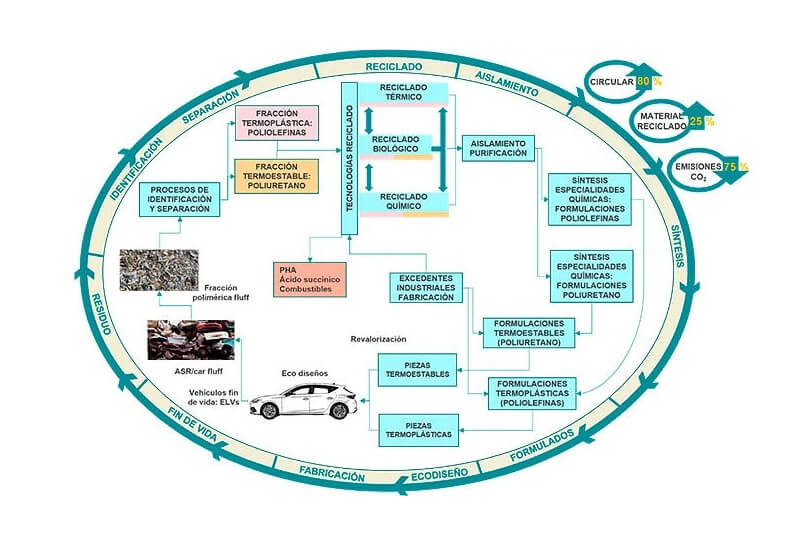
The objective of the ECLIPSE project is to investigate new technological pathways that facilitate the recycling and recovery of complex polymeric waste (plastics) and that represent a significant advance over the current state of the art in terms of separation, recycling, purification, and chemical synthesis to obtain new polymers suitable for reuse. In short, its goal is to develop a sustainable, circular, and comprehensive system for the recycling and revalorization of complex plastic waste—one that is versatile, tested in the automotive sector, and transferable to all strategic industrial sectors

This objective is particularly relevant today, as mechanical recycling of plastics—the most established technology due to its economic viability and simplicity—presents significant limitations for the recycling of complex plastics. Consequently, the ECLIPSE project could represent a significant step forward in addressing the environmental problems caused by plastic waste.

The project is fully integrated into circular economy strategies, as its development will enable the use of secondary raw materials derived from the recycling of complex polymeric waste, thereby reducing the use of natural resources, pollution, and landfills, and facilitating greater efficiency in recycling processes. Ultimately, it will contribute to the fight against climate change by reducing emissions and the carbon footprint, in line with the United Nations Sustainable Development Goals (SDGs) and the European Union’s Green Deal.

A project developed by a strong business consortium

The project will focus on research into the separation and identification of complex polymeric waste; combined thermal, chemical, and biotechnological recycling technologies; processes for the isolation and purification of chemical compounds of high industrial interest; the synthesis of specialty chemicals; polymer formulations; and eco-designs for products.

These tasks will be carried out by a consortium comprising eight companies—ACTECO PRODUCTOS Y SERVICIOS, CELLMAT TECHNOLOGIES, GRUPO COPO, PICVISA MACHINE VISION SYSTEMS, REPSOL, SEAT, SYNTHESIA TECHNOLOGY EUROPE, and TÉCNICAS REUNIDAS—led by the latter.

These eight companies, which possess proven expertise in various technological fields, will be responsible for the planned work according to the following distribution: industrial research on the composition and origin of automotive waste (SEAT) and industrial waste (GRUPO COPO); identification and separation of complex plastic waste streams (PICVISA and ACTECO); alternative recycling methodologies with substantial improvements based on thermal (TÉCNICAS REUNIDAS), biotechnological (REPSOL), and chemical (SYNTHESIA, ACTECO, and CELLMAT TECHNOLOGIES) treatments; purification and isolation stages for chemical units of interest (TÉCNICAS REUNIDAS); synthesis of thermoplastic and thermosetting specialty chemicals (SYNTHESIA and CELLMAT TECHNOLOGIES); polymer formulations (CELLMAT TECHNOLOGIES and GRUPO COPO), and eco-design and manufacturing of products (GRUPO COPO and SEAT). 

CETIM is responsible for coordinating the project office and will also carry out, among other tasks, the analysis of complex plastic waste, support for partners in the eco-design of recycling technology pathways, collaboration in research on various thermal, chemical, and biological technologies, and the analysis of the final product proposals. 

ECLIPSE also benefits from the cooperation of seven other research organizations: the Polytechnic University of Valencia (UPV), the University of Zaragoza (UNIZAR), the LEITAT Technology Center, the University of Valladolid (UVA), the Sarriá Chemical Institute (IQS), the Galician Automotive Technology Center (CTAG), and the National Supercomputing Center (BSC).

The project, which will run for 38 months, will have a budget of 7.3 million euros, with a grant of 4.4 million, equivalent to 59% of the budget.

The Science and Innovation Missions Program

The CDTI’s Science and Innovation Missions program is part of the State R&D&I Plan approved in 2021 and aims to promote projects led by companies that conduct relevant research capable of finding solutions to the main cross-cutting and strategic challenges facing Spanish society, improving the knowledge and technology base that Spanish companies rely on to compete, and stimulating public-private cooperation.

The program is fully aligned with the Spain 2050 initiative developed by the Spanish government, which outlines the necessary proposals to address the major challenges and problems Spain will face over the next 30 years. 

The missions selected in this second call for proposals focus on key aspects of two of the nine challenges outlined in the Spain 2050 initiative, notably “Becoming more productive to grow better” and “Becoming a carbon-neutral, sustainable, and climate-resilient society.”

The ECLIPSE project has been funded by the Center for Industrial Technological Development (CDTI) under the 2021 call for proposals of the SCIENCE AND INNOVATION MISSIONS Program (Recovery, Transformation, and Resilience Plan), and is supported by the Ministry of Science and Innovation. The grant awarded to the project is funded by the European Union through the Next Generation EU Fund.

IFAT Munich 2026, recognized as the world’s leading trade fair for environmental technologies, once again brought together key international players in water management, recycling, circularity, and sustainable resource recovery. Held in Munich, the event brought together more than 3,000 exhibitors and industry professionals from over 60 countries, serving as a global platform for innovation, collaboration, and technological development in the environmental sector.

During the exhibition, Técnicas Reunidas, through its In-House Technology Development Division, had the opportunity to showcase its capabilities in the development and industrial implementation of innovative technologies focused on the recovery of metals and critical raw materials from secondary resources.

The company presented part of its portfolio dedicated to the circular economy, urban mining, and sustainable resource recovery, highlighting hydrometallurgical solutions designed to support the energy transition and improve the sustainability of industrial value chains.

IFAT Munich provided an excellent opportunity to interact with companies, institutions, and technology providers from all sectors of the environment and recycling industries. Throughout the event, the Técnicas Reunidas team exchanged ideas and discussed current challenges and opportunities related to circularity, strategic raw materials, and advanced recycling solutions.

The participation also reinforced the company’s commitment to developing technologies that contribute to resource efficiency, waste recovery, and the transition toward a more sustainable and circular industrial model.

Técnicas Reunidas would like to thank everyone who visited the booth and shared valuable conversations during the event.

See you again at IFAT 2028.

#IFAT2026 #CircularEconomy #CriticalRawMaterials #UrbanMining #EnergyTransition #Innovation #Sustainability

  • The project, known as PERMANET, is of great strategic importance for addressing the European Union’s (EU) weakness in the manufacturing of products that are essential for digitalization and the energy transition.
  • Its goal is to increase the EU’s annual production capacity for permanent magnets twentyfold by 2050.
  • It will be carried out by 34 partners, including companies, research centers, clusters, and universities.
  • The manufacture of permanent magnets requires access to technologies for the production of rare earth elements, an area in which Técnicas Reunidas has extensive experience and technological solutions that it already supplies to the market.


Técnicas Reunidas has been designated as the lead company for the PERMANET Project (PERmanent MAgnet Network for the European Transition), promoted by the European Commission (EC) under its Horizon Program, whose objective is to create the first complete European value chain for the production of permanent magnets.

This chain will include the extraction, processing, and refining of rare earths, which form the basis for the production of permanent magnets; the manufacture of the magnets themselves; and their subsequent recycling.

In addition to leading the project, Técnicas Reunidas will undertake, at its Technology Center, the development of technology that will enable the production of rare earths from minerals and secondary sources for subsequent use in the manufacture of permanent magnets.

The company has proven experience in this field, as it already supplies its own technology, RARETECH, to the market, which enables the production of rare earth concentrates in the form of carbonates from minerals.

Strategic Value and Geopolitical Risk

This is a project of high strategic value, as permanent magnets are a fundamental material for the manufacture of more than 200 product groups that are essential for digital development and the energy transition, particularly for the manufacture of motors for electric vehicles, wind generators, and transformers.

Furthermore, they are subject to high geopolitical risk. Currently, EU production of permanent magnets is extremely low, barely reaching 1,000 tons per year, and is not expected to cover more than 20% of European needs by 2030. Increasing this capacity would require a sharp rise in rare earth imports from China, the world’s leading producer, which currently supplies virtually all of the EU’s demand for these materials.

This excessive dependence on China could become even more serious in the near future, due to the growing demand for permanent magnets to drive the electrification required by the energy transition and the recent decision by Chinese authorities to restrict the export of rare earth processing technologies.

For this reason, the EC approved a Critical Raw Materials Act last year, the regulations for which were established last March, “as demand for rare earths is expected to increase exponentially in the coming years.”

A strong boost to the production of permanent magnets

The PERMANET project is part of this effort to overcome the limited production capacity and weak development of certain segments currently affecting the EU’s permanent magnet production value chain.

The project aims to increase European production of permanent magnets to 2,800 tons per year by 2037, 7,800 tons by 2040, and 21,600 tons by 2050, which would already cover nearly 50% of the EU’s needs in that year.

To this end, the project involves 34 partners (17 large companies, seven SMEs, four research centers, two universities, and four clusters from a total of eleven European countries) and will have a budget of approximately 21 million euros, with a grant of nearly 16 million. It is estimated to last 40 months.

Javier Limpo, director of the In-House Technology Development Division at Técnicas Reunidas, emphasized that “this project, which is essential for advancing European independence in the field of energy transition, will strengthen Técnicas Reunidas’ position as a technological leader in the extraction and recovery of rare earth elements.”

The two companies have entered into a strategic engineering partnership under which Técnicas Reunidas will conduct processing tests on high-concentration rare earths at the project being developed by St. George Mining in Araxá, a municipality in the state of Minas Gerais.
Araxá is the largest hard-rock rare earth deposit in South America and one of the largest in the world.
Técnicas Reunidas will contribute its proprietary technology, called RARETECH®, to the project, which enables the production of rare earth concentrates in the form of carbonates from ores.
At the end of last February, the Spanish company also reached an agreement with the Australian firm Osmond Resources to provide RARETECH® technology for the European Union’s first comprehensive rare earth production project, which is being developed in Jaén.
RARETECH® is part of Técnicas Reunidas’ portfolio of proprietary technologies for the recovery of critical raw materials, rare earths, and other products that the Spanish company has already supplied or submitted for bidding in the United States, Japan, Austria, Switzerland, Australia, Spain, South Africa, Brazil, and Turkey.
 

The Australian company St George Mining Limited has announced the signing of a memorandum of understanding (MoU) with Técnicas Reunidas under which it will contract the Spanish company to conduct sample processing tests at the rare earth deposit in Araxá, a town in the Brazilian state of Minas Gerais.

St George Mining is the 100% owner of this high-grade niobium and rare earths deposit, which is the largest hard-rock deposit in South America and one of the largest in the world. In fact, it is also larger than the main rare earths mine in the U.S., located in the California town of Mountain Pass.

The Australian company, which specializes in developing critical mineral recovery projects, has described the agreement as a “strategic engineering partnership to access cutting-edge European rare earth processing technology.” In particular, it has highlighted the proprietary technological solutions that Técnicas Reunidas has developed for the recovery of critical materials and, more specifically, the fact that it is the lead company in the EU-funded PERMANET project, which aims to create the first European value chain for the manufacture of permanent magnets.

Scope of Técnicas Reunidas’ work

The initial scope of the work to be carried out by Técnicas Reunidas will consist of applying RARETECH® technology for the refining of rare earth mineralization, including the production of mixed carbonate and rare earth oxides, and for the separation and fractionation of rare earth elements.

Additionally, there is a possibility that St George Mining may request additional work from Técnicas Reunidas, which would include the design of a flow diagram and an industrial plant for rare earth processing operations, among other tasks.

St George Mining, which already has its Brazil project in an advanced stage of development and has half a dozen more in Australia, has emphasized that the engagement of Técnicas Reunidas has the potential to open European markets to Araxá’s rare earths and joins the strategic alliances the Australian company has already signed with REalloys in the U.S. and with MagBras in Brazil.

John Prineas, CEO of St George Mining, stated that “we are very excited to work with Técnicas Reunidas to further evaluate the optimal processing route for Araxá’s rare earths, as their reputation and experience in this type of activity is unmatched.”

Técnicas Reunidas’ proprietary technologies for the recovery of critical materials

It is worth noting in this regard that, at the end of last February, the Spanish company also reached an agreement with the Australian firm Osmond Resources to provide RARETECH® technology for the European Union’s first comprehensive rare earth production project, which is being developed in an area of over 220 square kilometers located in the north of the province of Jaén.

RARETECH® is part of the wide range of technological solutions that Técnicas Reunidas has developed, through its In-House Technology Development Division and its Technology Center, for the recovery, processing, and refining of critical minerals and essential metals, as well as other products generated through the circular economy. These in-house technological solutions are already implemented or are being bid on in markets in the United States, Japan, Austria, Switzerland, Australia, Spain, South Africa, Brazil, and Turkey, among other countries. 

In addition, the company actively participates in the development of national and international projects related to critical raw materials, particularly within the framework of the Misiones Programs of the Center for Industrial Technological Development (CDTI) of the Ministry of Science, Innovation, and Universities, and the Horizon program of the European Union.

About Técnicas Reunidas

Técnicas Reunidas is a global engineering firm that has developed more than 2,600 projects in over 70 countries throughout its 66-year history. 

It specializes in the design and construction of large industrial plants dedicated primarily to the production of clean fuels, natural gas, and chemical products. 

The company is also at the forefront of technologies and solutions related to the energy transition, the circular economy, and the decarbonization of facilities. 

With a workforce of nearly 14,000 employees, most of whom are highly qualified engineers, Técnicas Reunidas’ headquarters in Spain is a major center of engineering excellence. 

The Future: Fast Forward project has reached a key milestone in its development, with 60% of the 86 projects launched in 2022 now completed, solidifying the progress of the industry’s electrification as a tangible reality in Spain.
This initiative, considered the largest business consortium in the history of the Spanish automotive industry, is driving an unprecedented transformation aimed at making Spain a leading European hub for electromobility. Led by SEAT S.A. and CUPRA, the project brings together more than 50 companies with extensive experience across the entire mobility value chain, forming a multisectoral ecosystem geared toward an electric, sustainable, and competitive future.

With an investment of nearly 10 billion euros, Future: Fast Forward is having a significant impact on the industrial fabric, with an export capacity exceeding 20 billion euros, the creation of 145,000 direct jobs and more than 100,000 indirect jobs, as well as significant advances in training, energy efficiency, and emissions reduction.
Within this framework, Técnicas Reunidas participates in the cross-cutting circular economy sector by developing technologies for the recovery of critical raw materials and high-value metals from batteries, supermagnets in electric motors, and electronic components in electric vehicles. This contribution enables progress toward more sustainable production models, facilitating the recovery of strategic materials and closing the loop within the automotive value chain.
The progress achieved to date reinforces Spain’s position not only as a production hub but also as an environment capable of designing, developing, and scaling globally competitive industrial solutions in the field of electric mobility.

Video: https://youtu.be/ZxM_amDxpFU?si=ZcQP9GwaYZ2qmyyt

Técnicas Reunidas participated in the 2026 edition of the Prospectors & Developers Association of Canada Convention (PDAC), held in Toronto, Canada, which is considered the leading global gathering for the mining and natural resources industry. The event brings together more than 40,000 professionals each year, including mining companies, investors, technology developers, and public institutions, establishing itself as a key platform for the development of projects and strategic alliances in the sector.

The company was part of the delegation organized by the Spanish Chamber of Commerce in Canada, marking its first participation with a joint booth that brought together more than ten leading Spanish companies in the mining and technology sectors. This initiative helped highlight Spain’s role as a provider of advanced solutions in the field of critical minerals.

During the event, Técnicas Reunidas presented the capabilities of its Proprietary Technology Development Division, highlighting its expertise in developing hydrometallurgical solutions for the recovery, processing, and refining of critical minerals, as well as their implementation at an industrial scale.

The company’s participation in PDAC aimed to highlight its position as a technology developer and strengthen its network of contacts with key international players in the sector, in a context marked by the growing strategic importance of critical minerals for the energy transition and security of supply.

Representing the company were Javier Manzano, Commercial and New Business Director of the Proprietary Technology Development Division, and Ignacio Herráez, Business Development Engineer in the same division.

The company’s presence at this forum reinforces Técnicas Reunidas’ commitment to developing advanced technological solutions to address the global challenges associated with critical minerals.


Técnicas Reunidas has signed a collaboration agreement with Osmond Resources Limited for the development of the Orión Project, a strategic initiative located in the province of Jaén that aims to establish one of the first complete rare earth value chains in the European Union.

The project encompasses the entire process, from mining to processing and the production of final products, positioning itself as a European leader in the production of mixed carbonates and rare earth oxides. This initiative will significantly contribute to strengthening Europe’s strategic autonomy in the supply of critical raw materials.

Proprietary technology for the development of critical minerals

The project will be carried out over an area of more than 220 km² in the north of the province of Jaén and will enable the recovery of monazite, a mineral rich in elements such as neodymium, praseodymium, and dysprosium, which are essential for advanced technological applications such as permanent magnets, batteries, and electronic components.

Técnicas Reunidas will contribute its proprietary RARETECH technology to the project, an advanced solution based on hydrometallurgical processes and solvent extraction (SX), which enables the efficient production of rare earth compounds from mineral raw materials.

This technology, developed at the José Lladó Technology Center, is part of the company’s commitment to developing sustainable solutions for the recovery and processing of critical raw materials from both primary and secondary sources.

A key project for the energy transition and European industrial sovereignty

Rare earths are essential for strategic sectors such as the energy transition, digitalization, defense, and electric mobility. Currently, global production is highly concentrated, leading to a strong dependence on third countries.

The Orion Project addresses this challenge by developing industrial capabilities within the European Union, helping to diversify supply and reduce geopolitical risks.

Industrial scope and project execution

Osmond Resources Limited will own the asset, while Técnicas Reunidas will be responsible for engineering, procurement, and construction (EPC) services, as well as technological integration.

The estimated investment for the project ranges between 200 and 300 million euros, depending on the final scope, and the plant is expected to begin operations in approximately three years.

Platform for future international collaborations

This agreement represents a strategic step for Técnicas Reunidas in the field of critical minerals, consolidating its position as a technology provider and industrial partner in high-value-added projects.

Likewise, the collaboration with Osmond Resources Limited opens new opportunities for the joint development of similar projects internationally, as well as for the expansion of the company’s technological capabilities in the field of strategic metals.

Commitment to innovation and the circular economy

Técnicas Reunidas actively participates in European and international initiatives aimed at developing sustainable value chains for critical raw materials, including projects for the recovery, recycling, and upcycling of materials.

These initiatives reinforce the company’s commitment to innovation, sustainability, and the transition toward a more circular and resilient economy.
The European METIUM project, funded under Horizon Europe, aims to transform urban waste into a reliable source of strategic raw materials, driving new value chains based on urban mining and advanced hydrometallurgical technologies.

Through an integrated approach, METIUM connects the collection, pretreatment, and advanced recovery of materials into efficient interregional value chains, enabling the recovery of end-of-life products and their conversion into high-value resources. The project seeks to strengthen Europe’s resource independence, reduce reliance on imports, and move toward a more circular and sustainable economy.
In this context, Técnicas Reunidas will participate by contributing its expertise in the development of hydrometallurgical technologies and process solutions for the recovery of critical minerals and strategic metals. Its contribution will focus on the industrial scaling of innovative solutions and the development of robust value chains centered on urban mining.

METIUM is structured around several key technology chains, including batteries, platinum group metals (PGMs), electronic waste (PCBs), and copper and aluminum streams. Through these lines of work, the project will drive the development and scaling of more than 15 technological innovations, with the goal of reaching industrial maturity levels (TRL 9) and facilitating their market implementation.

Notable among the developed solutions are advanced recycling technologies for the efficient recovery of lithium, cobalt, and nickel from batteries; the extraction of precious metals with low environmental impact; the recovery of rare earth elements from complex electronic waste; and the recovery of industrial waste through sustainable chemical processes.

The project also promotes the creation of a network of interregional “Hydromet Hubs,” which will connect industrial and technological capabilities across Europe, laying the groundwork for the development of the first Europe-wide urban mining network.

Técnicas Reunidas’ participation and leadership reinforce its position as a key player in the development of technological solutions for the challenges associated with critical raw materials and the transition toward a more sustainable economy.

On September 23 and 24, 2025, the PERMANET project participated in the Raw Materials Information System (RMIS) workshop, held under the theme “Leveraging raw materials to strengthen EU competitiveness: from research to innovation.” The meeting focused on how to channel the knowledge generated in European projects and research initiatives into tools that support decision-making.

The event, co-organized by the European Commission’s Joint Research Centre (JRC) and the European Health and Digital Executive Agency (HaDEA), brought together key representatives from European institutions, industry, academia, and EU-funded projects. Over two days, participants shared perspectives on the role of research and innovation in raw materials as a driver of competitiveness, resilience, and the green transition in Europe.

One of the workshop’s main focuses was improving the visibility and accessibility of project results through the RMIS platform, facilitating connections between EU-funded projects and decision-makers, and contributing to the development of evidence-based policies in the field of critical and strategic materials.

In this context, PERMANET presented its progress in developing the rare earth magnet value chain, ranging from extraction and recycling to advanced manufacturing. Técnicas Reunidas participates in this project by contributing its expertise in the development of hydrometallurgical technologies and process solutions for the recovery and refining of rare earths, helping to strengthen a more sustainable, circular, and resilient value chain in Europe.

Participation in the RMIS workshop reinforces PERMANET’s commitment to transparency, knowledge sharing, and innovation, contributing both to scientific progress and to the European Union’s strategic objectives regarding sustainability and competitiveness.

The European METIUM project will hold an online technical workshop on April 28, 2026 (10:00–11:00 CET) focused on advanced materials recovery and the development of solutions for the circular economy.

Under the “closing the loop” approach, the session will address how to transform end-of-life materials into high-value resources, exploring technologies applied to the recycling of batteries and electronic waste (PCBs), as well as the recovery of aluminum, copper, and precious metals (PGMs) from catalysts and solar panels.

The workshop will delve into the project’s main technology chains (WP5), offering a detailed overview of the progress and challenges in scaling up innovative solutions for the recovery of strategic materials.

The event will bring together experts and project partners, including Técnicas Reunidas, Tapojärvi, Monolithos, and the Łukasiewicz Research Network – Institute of Non-Ferrous Metals, as well as members of the I3 Circular Economy Working Group and other stakeholders in the European materials recovery ecosystem.

The session offers an opportunity to learn firsthand about the technologies shaping urban mining in Europe and to participate in the discussion on circular strategies for critical materials.

👉 Registration available:

http://bit.ly/4mvF2YK 

Building a sustainable future driven by technology.

Together, we create projects that contribute to sustainability and environmental protection. For more information, please contact us.